



Accepting Reservations starting May 2026

Shogun-Do: The Ultimate Process of Self-Actualization for Becoming the World’s Most Powerful CEO
In today's business world, a truly successful CEO is not merely a manager, but a “Modern Shogun”.
Historically in Japan, the Shogun was the highest rank of the warrior class and governed the nation for approximately 700 years.
A Shogun was not only a resolute military commander, but also a cultivated cultural figure of deep learning, and a philosopher who valued virtue above all.
Much like the Shoguns of the past, it is vital for modern CEOs to maintain a modicum of peace and tranquility. They must observe the business environment objectively, practice self-discipline by overcoming their own weaknesses, and devote themselves to formulating future strategies. To achieve this, one must cultivate the balance between Mind, Intellect, and Body.
Mind (Human qualities / Ethics) : Fostering altruism, a sense of responsibility, strong willpower, and social awareness
Intellect (Knowledge / Capability) : Enhancing knowledge, technical skills, logical thinking, and judgment
Body (Physicality & Health) : Promoting physical strength, health, and developing the physical strength to carry out one's original intentions to the end
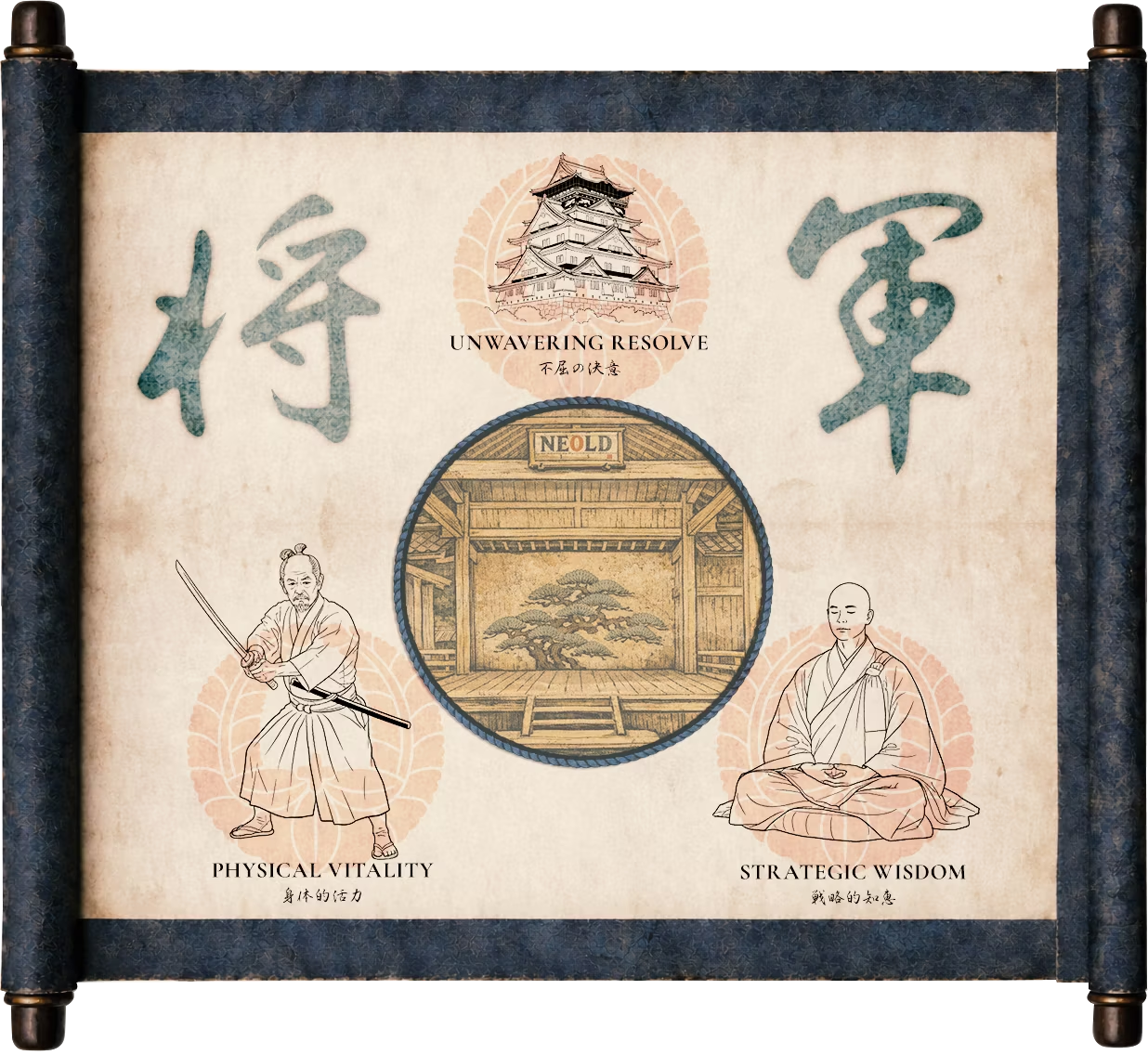
Comprehensively cultivating these three elements is an essential requirement for any leader worthy of the title Shogun.
Our company offers the Shogun-D0 program, designed to guide leaders toward becoming the world’s strongest CEOs—equipped with both overwhelming governance capabilities and an unshakable spirit.
The Essence of
Shogun-Do
Mastering One’s Own Path

The fundamental principle of the Shogun’s path is to master one’s own Path.
This means deepening self-understanding, growing both mentally and physically, to achieve a life of profound fulfillment. This requires facing oneself honestly, recognizing one’s own abilities, and cultivating high-level refinement and knowledge.
Historically, Shoguns trained not only in martial arts—such as swordsmanship, archery, and jujutsu; they also underwent rigorous training in Noh theater, traditional dance, tea ceremony, calligraphy, and painting.
Through daily discipline, they developed instantaneous decision-making ability, composure in the face of risk, absolute concentration, and deep insight into human psychology.
Furthermore, they prioritized health management, practicing a holistic approach to wellness.
Modern CEOs, too, can transform into modern-day Shoguns by cultivating refined sensibilities through immersive experiences in traditional Japanese culture.
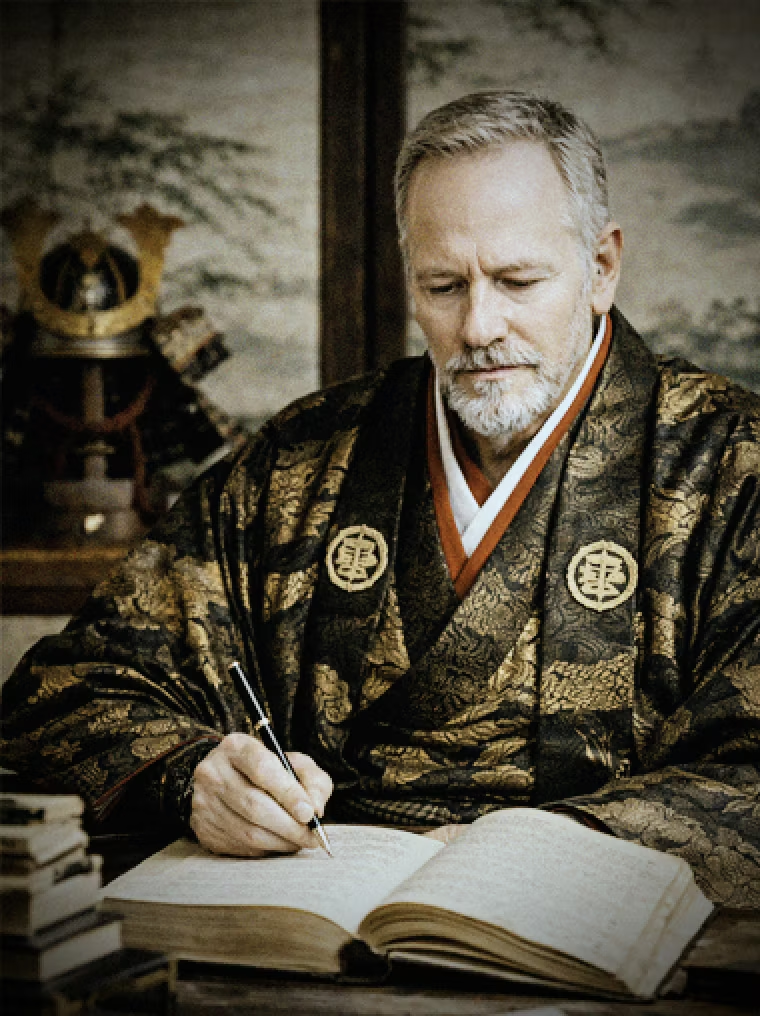
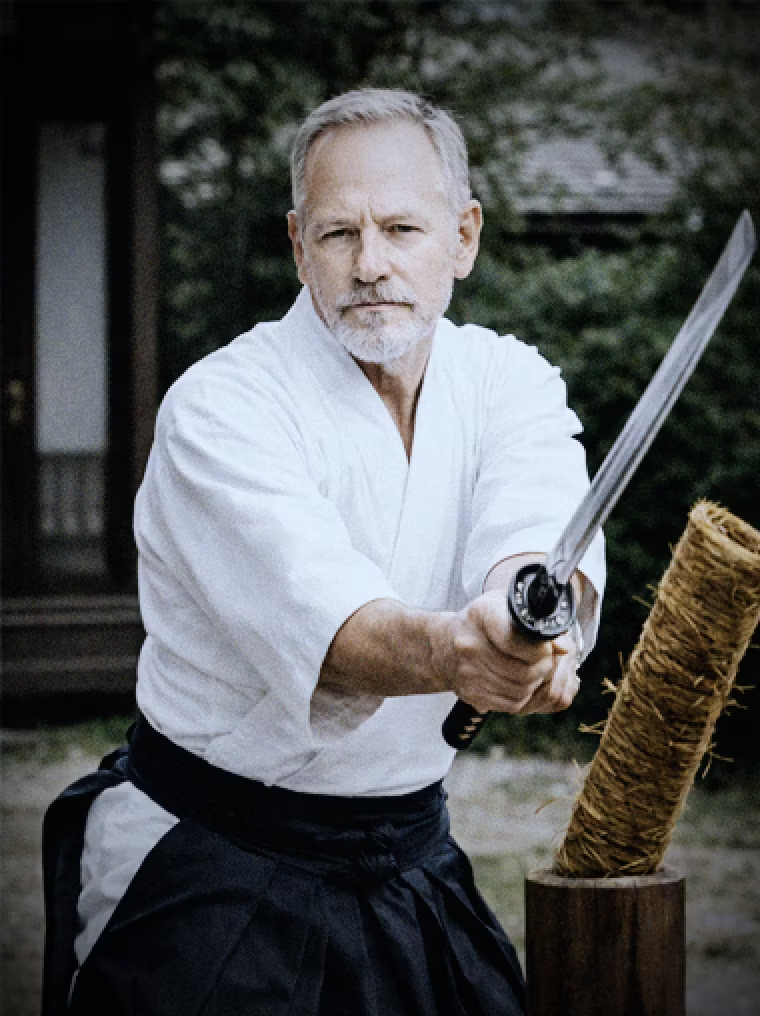
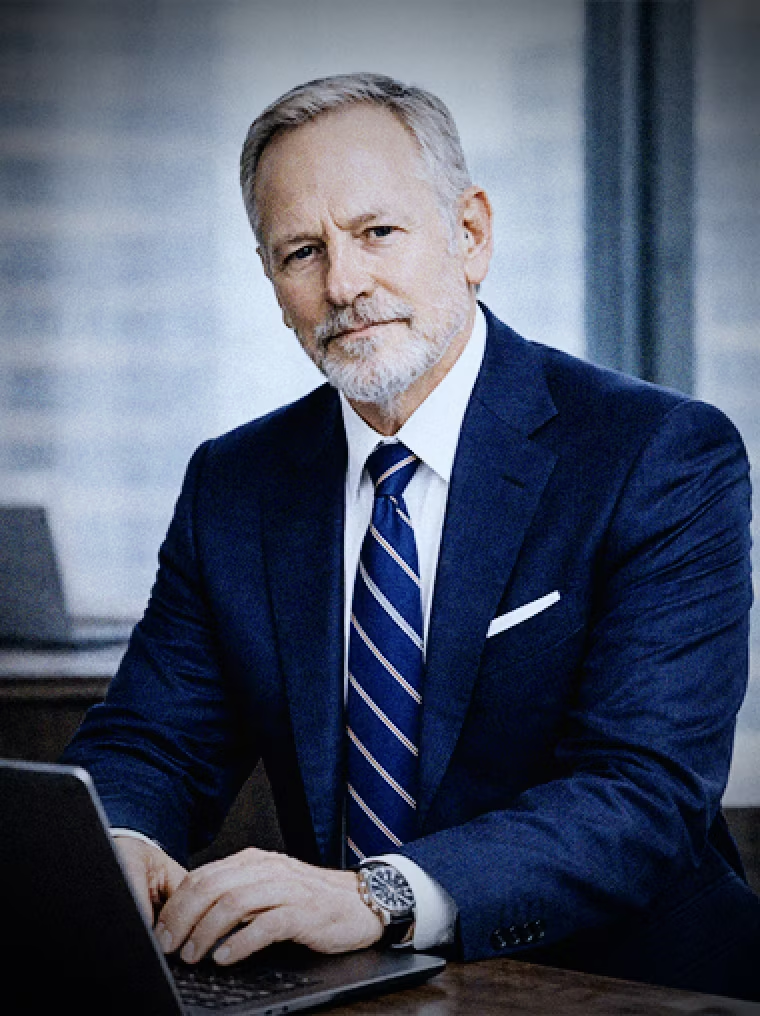
Examples of Modern Influential Leaders Inspired by Such Principles
Steve Jobs studied Zen in San Francisco under Shunryu Suzuki and Kobun Chino Otogawa, both Soto Zen priests.
Through his study of Zen, he practiced meditation and engaged deeply in a lifelong search for self-understanding.
It is often said that the teachings of Zen were reflected in the products Jobs created—most notably the iPhone.
“If you just sit and observe, you will see how restless your mind is. If you try to calm it, it only makes it worse, but over time it does calm, and when it does, there's room to hear more subtle things - that's when your intuition starts to blossom and you start to see things more clearly and be in the present more. Your mind just slows down, and you see a tremendous expanse in the moment. You see so much more than you could see before. It's a discipline; you have to practice it.”
(Walter Isaacson, ”Steve Jobs”)
Known as the “God of Management,” Konosuke Matsushita established a private residence near Nanzen-ji Temple, where he studied the spirit of Zen under the guidance of the temple’s head priest.
Rooted in a worldview closely aligned with Zen philosophy—the belief that one is part of a greater whole and exists in harmony with others and all things—he actively promoted the PHP movement, advocating “Peace and Happiness through Prosperity,” emphasizing the balanced flourishing of both material and spiritual well-being.
“There are many attitudes that are important for a business leader in conducting management.
However, at the very core, what I myself have always reflected upon and endeavored to cultivate is a sincere and open heart.
Only when a leader possesses this sincere heart do all the principles I have discussed truly come to life.
Management that lacks such sincerity can never continue to develop and prosper over the long term.”
(Konosuke Matsushita, from Practical Management Philosophy / ‘The Value I Realized as the Essence of Management Is Worth a Million Pieces of Gold’)
Bernie Glassman studied Zen under Hakuun Yasutani’s successor, Hiromu Maezumi, a Soto Zen priest. Rather than remaining within the conventional boundaries of Zen training and instruction, he founded Greyston Bakery, integrating Zen practice directly into social enterprise.
Viewing Zen as life itself, and life as a continuous training ground, he devoted himself to activities that serve society and foster social contribution.
“Zazen is the elimination of distance between subject and object. ”(Bernie Glassman, Infinite Circle: Teachings in Zen)
“When we live our life fully, our life becomes what Zen Buddhists call "the supreme meal."
We make this supreme meal by using the ingredients at hand to make the best meal possible, and then by offering it.”
(Bernard Glassman & Rick Fields, Instructions to the Cook)
-
 Steve Jobs
(Founder of Apple)
Steve Jobs
(Founder of Apple)
-
Konosuke Matsushita
(Founder of Panasonic)
-
Bernie Glassman
(Founder of Greyston Bakery)
-
Steve Jobs studied Zen in San Francisco under Shunryu Suzuki and Kobun Chino Otogawa, both Soto Zen priests.
Through his study of Zen, he practiced meditation and engaged deeply in a lifelong search for self-understanding.
It is often said that the teachings of Zen were reflected in the products Jobs created—most notably the iPhone.“If you just sit and observe, you will see how restless your mind is. If you try to calm it, it only makes it worse, but over time it does calm, and when it does, there's room to hear more subtle things - that's when your intuition starts to blossom and you start to see things more clearly and be in the present more. Your mind just slows down, and you see a tremendous expanse in the moment. You see so much more than you could see before. It's a discipline; you have to practice it.”
(Walter Isaacson, ”Steve Jobs”) -
Known as the “God of Management,” Konosuke Matsushita established a private residence near Nanzen-ji Temple, where he studied the spirit of Zen under the guidance of the temple’s head priest.
Rooted in a worldview closely aligned with Zen philosophy—the belief that one is part of a greater whole and exists in harmony with others and all things—he actively promoted the PHP movement, advocating “Peace and Happiness through Prosperity,” emphasizing the balanced flourishing of both material and spiritual well-being.
“There are many attitudes that are important for a business leader in conducting management.
However, at the very core, what I myself have always reflected upon and endeavored to cultivate is a sincere and open heart.
Only when a leader possesses this sincere heart do all the principles I have discussed truly come to life.
Management that lacks such sincerity can never continue to develop and prosper over the long term.”
(Konosuke Matsushita, from Practical Management Philosophy / ‘The Value I Realized as the Essence of Management Is Worth a Million Pieces of Gold’) -
Bernie Glassman studied Zen under Hakuun Yasutani’s successor, Hiromu Maezumi, a Soto Zen priest. Rather than remaining within the conventional boundaries of Zen training and instruction, he founded Greyston Bakery, integrating Zen practice directly into social enterprise.
Viewing Zen as life itself, and life as a continuous training ground, he devoted himself to activities that serve society and foster social contribution.
“Zazen is the elimination of distance between subject and object. ”(Bernie Glassman, Infinite Circle: Teachings in Zen)“When we live our life fully, our life becomes what Zen Buddhists call "the supreme meal."
We make this supreme meal by using the ingredients at hand to make the best meal possible, and then by offering it.”
(Bernard Glassman & Rick Fields, Instructions to the Cook)
ZEN+ The Foundation of Shogun-Do
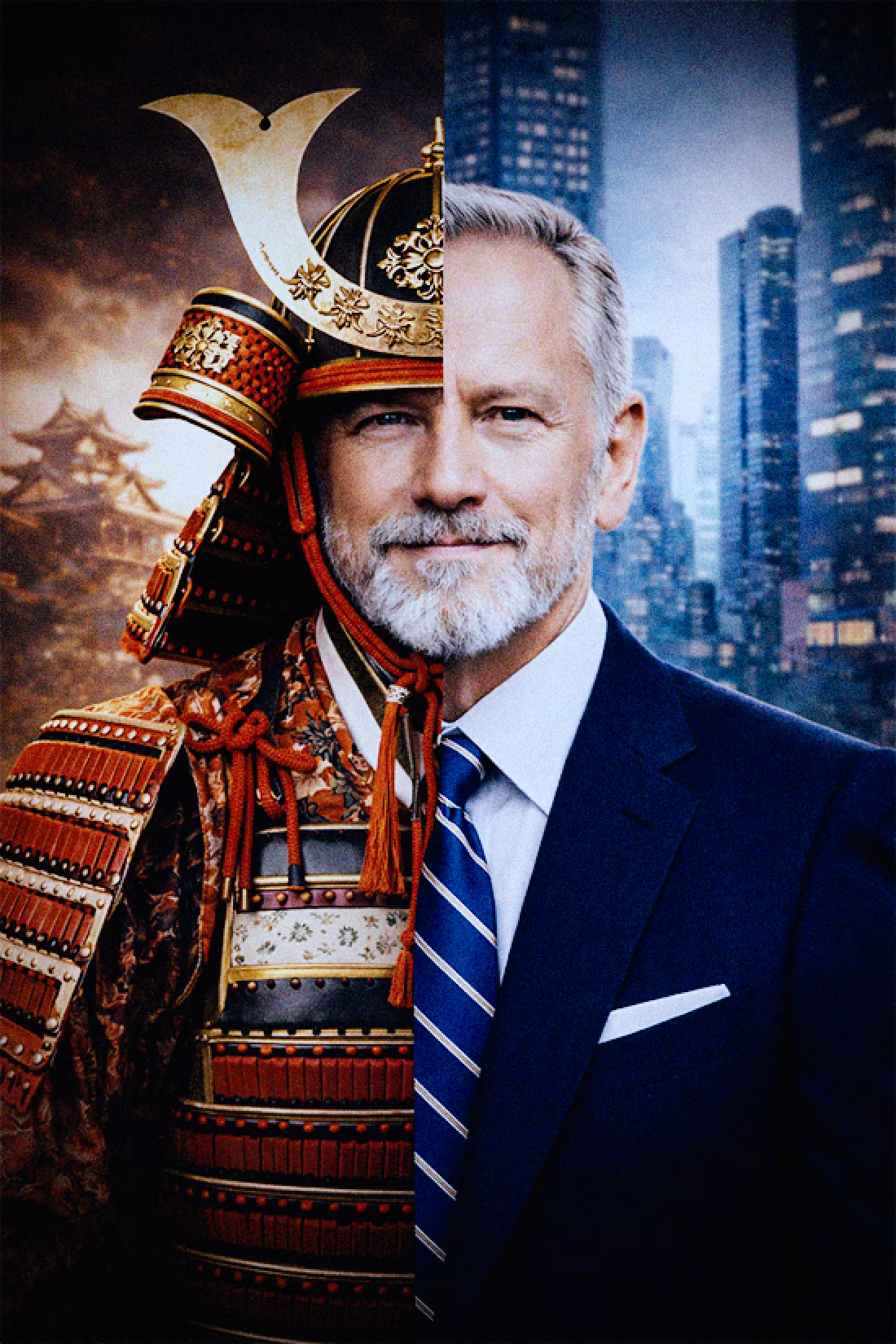
Zen refers to a state in which the mind is no longer agitated.
Historically, Zen philosophy deeply influenced Japanese culture (arts, cuisine, medicine) as a means of mental and physical cultivation. Today, Zen is a global standard for calm, relaxation, and meditation.
This philosophy spread globally and became known as ZEN, representing calmness, relaxation, and meditation. Today, people around the world draw inspiration from Zen, generating new ideas, discoveries, and meaningful contributions to society.
Shogun-Do is built upon ZEN+.
ZEN+ is a process of self-discovery with the aim of birthing a renewed version of oneself through diverse experiences.
Traditionally, Shoguns refined themselves daily through swordsmanship, tea ceremony, and Noh theater while maintaining strict health discipline. They strengthened the body through martial arts, cultivated serenity through tea, and heightened sensitivity and insight through the appreciation of Noh—continuously elevating both mind and body.
Just as successive Shoguns balanced the physical discipline of swordsmanship with the tranquility of tea ceremony and the insight gained from Noh theater, ZEN+ is the modern equivalent that has evolved into the realm of wellness.
By following the Zen proverb, "Every human being is a vessel for the Way," modern CEOs can practice self-regulation, unlock their latent potential, and master their own path—becoming the modern Shogun.
Recreating the Shogun’s Patronage Leave Your Mark on History
A Shogun did not only have vassals skilled in combat; they protected and patronized experts across vast fields—Noh actors, tea masters, calligraphers, culinary masters, and physicians.
As a modern Shogun, you too can become a Master of the Arts and a patron of technology. You can build traditional estates and Noh stages in your own country, create traditional gardens, and recreate the ancient Shogun culture.
By becoming a Guardian of Culture, you will leave a legacy that can endure in history.
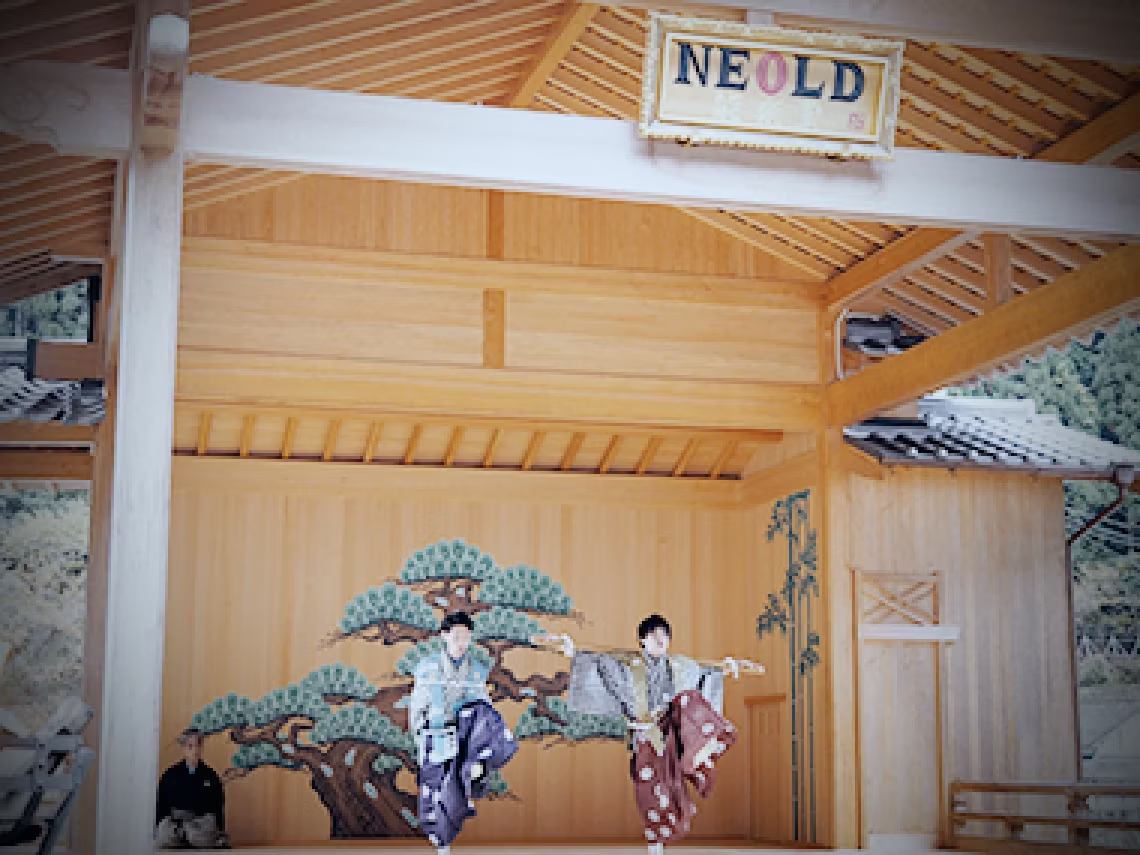
Shogun-do “Mind, Intellect & Body Plan” Tailored to Your Vision, Guided by Tradition
We offer three different types of immersion programs:beginner (2 nights / 3 days), intermediate (3 nights / 4 days), and advanced (5 nights / 6 days).
While these options provide a structured framework, every activity can be fully customized to meet your specific preferences and desires. Optional activities are also available.
Core Program
-
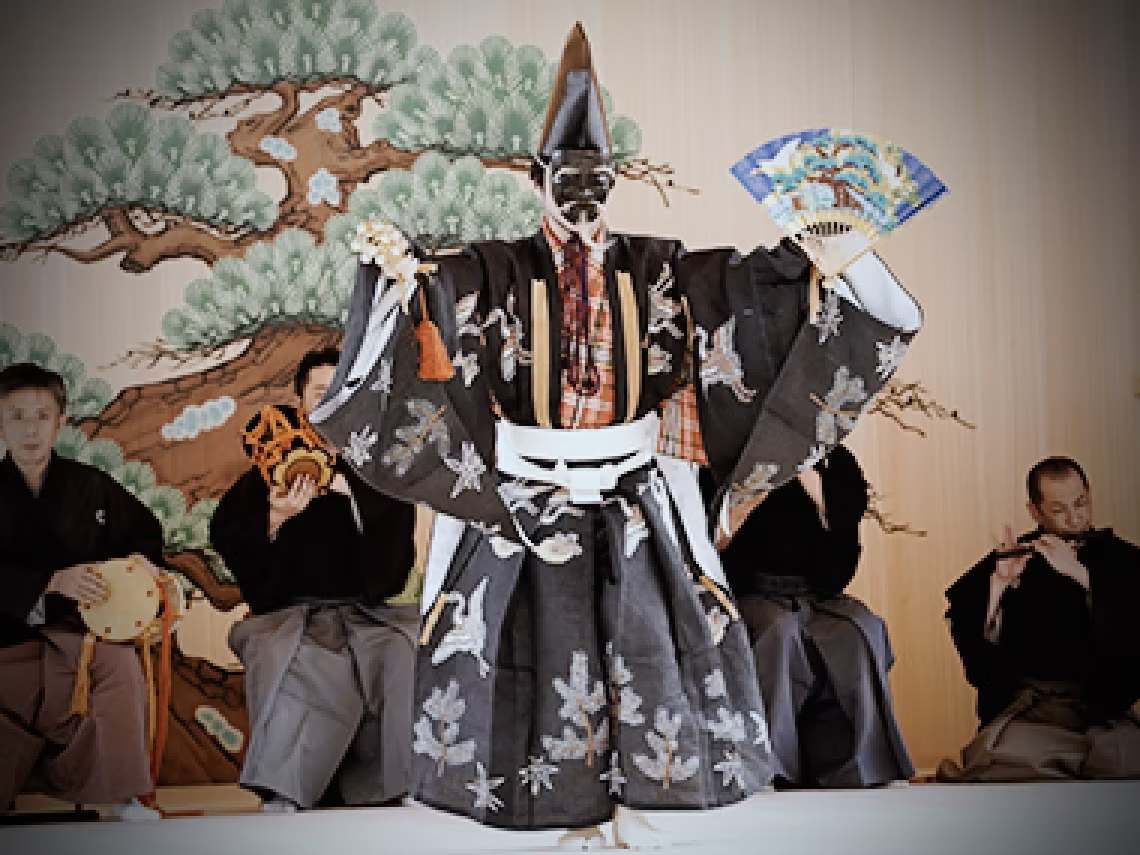
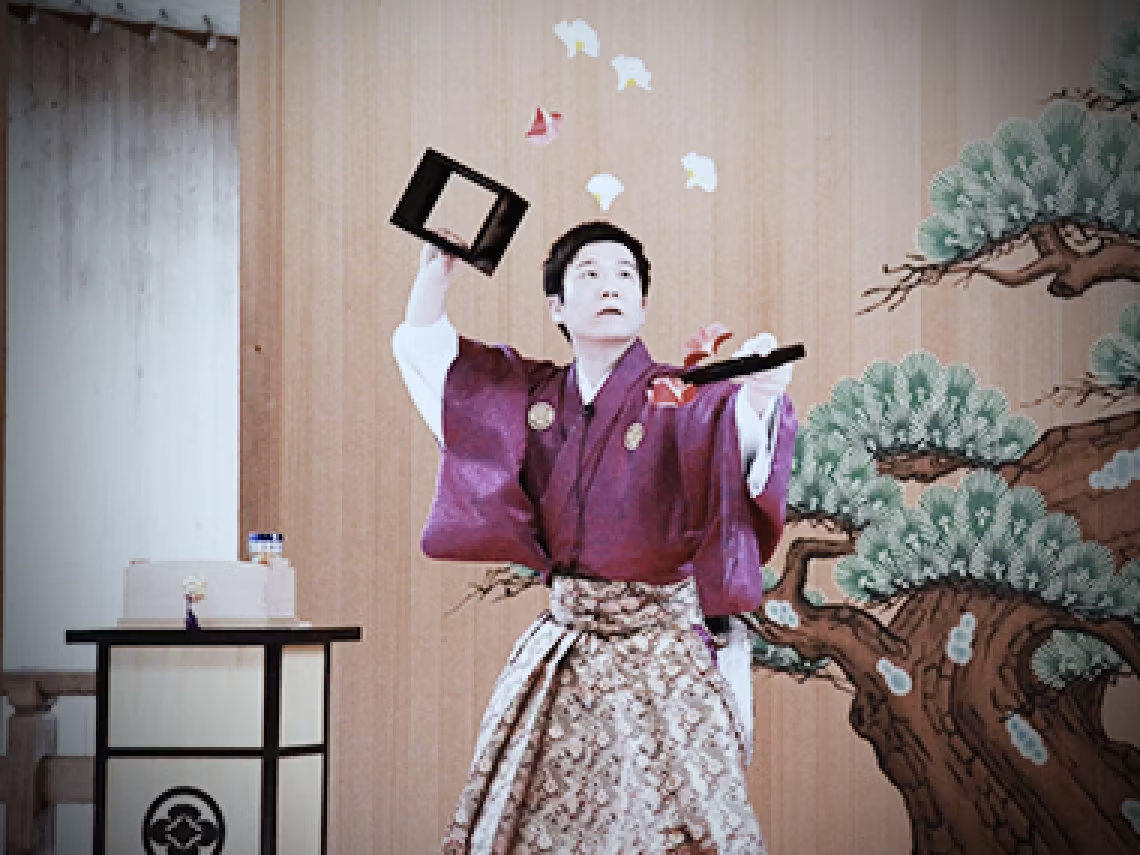
 Noh & Kyogen
Both traditional performing art forms, one expresses a mystical, fantastical world (Noh), whereas the other is designed to return the audience to reality through sophisticated comedy (Kyogen)
Noh and Kyogen originated from Sangaku, a popular form of entertainment introduced from the Asian continent during the Nara period.
Sangaku evolved into Sarugaku Noh, incorporating theatrical elements. Noh reached its peak in the Muromachi period, when under the patronage of Shogun Ashikaga Yoshimitsu, the father-son duo Kan’ami and Zeami transformed it into a refined art of song and dance. Kyogen developed as comic interludes performed between Noh acts, creating a unique balance between solemnity and humor on the same stage.
These arts flourished under the protection of the successive ruling Shoguns, Japan’s most powerful rulers.
Noh became a vital ritual element for maintaining the Shogunate's authority and was routinely performed at official ceremonies and banquets.
Shoguns themselves were often fervent practitioners, learning and even performing these plays.
They became essential components of formal rituals, and Noh stages were constructed within residences and temple grounds.
One such celebratory piece traditionally viewed by Shoguns is the play "Sanbaso." -
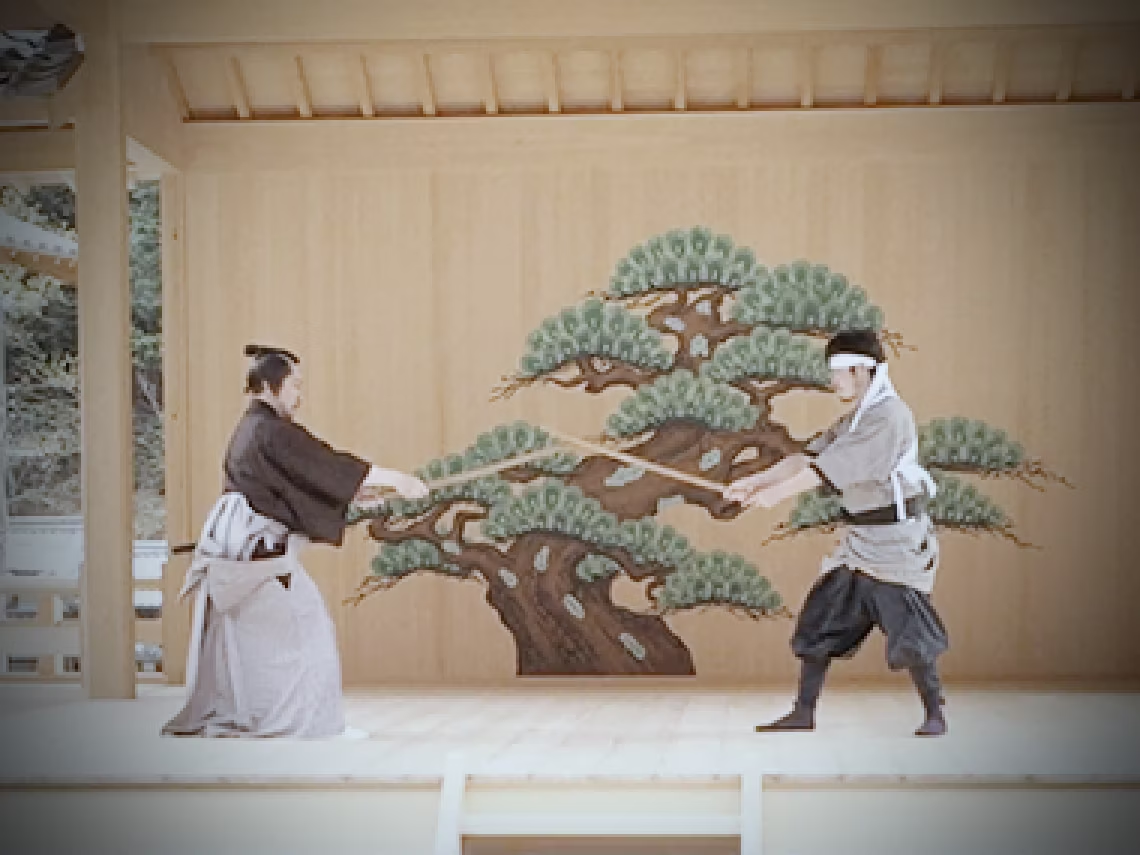
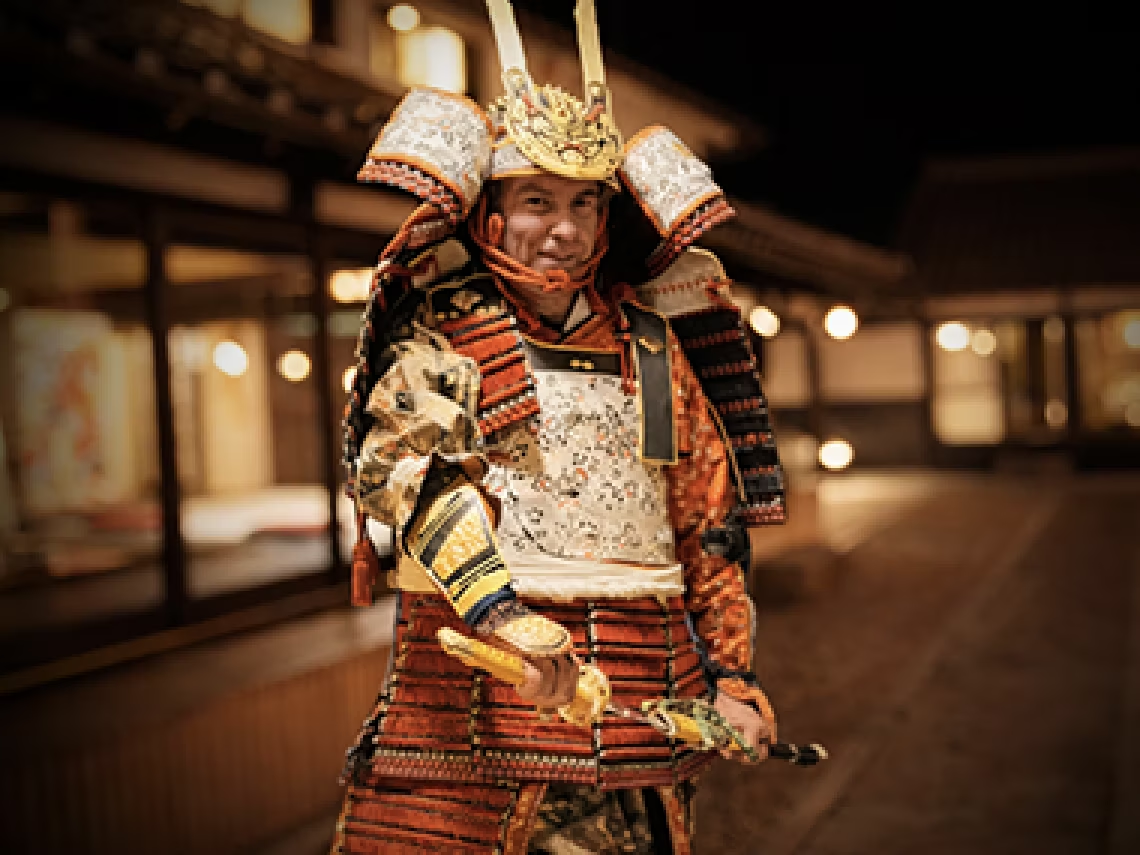
Kenjutsu (Swordsmanship)
Mastering the destructive power of the sword to transcend conflict and lead the world toward peace
Kenjutsu is one of Japan’s traditional martial arts.
While it may have involved interpersonal combat at first, it evolved during the Edo period into a profound system of discipline. With over 700 schools (ryuha), it eventually spread beyond the samurai class to townspeople and farmers.
Successive Shoguns trained under officially recognized masters of the Yagyu Shinkage-ryu school.
The Shogun’s Connection: Successive Shoguns studied under official masters of the Yagyu Shinkage-ryu. This school, established by Yagyu Munenori, became known as "The Shogun’s Sword" and a symbol of peace. Its philosophy of Katsunin-ken ("The healing sword ") focuses on neutralizing the opponents without killing them — exemplified by the technique of Mutodori (disarming an opponent with one’s bare hands). -
Jujutsu
Various techniques to subdue an opponent using only one's bare hands
Like Kenjutsu, Jujutsu is a traditional Japanese martial art that developed as a means of physical training for the samurai.
Within samurai society, it was regarded as both physical and mental cultivation, a method of self-formation and discipline.Training dojos were established in samurai residences, and Jujutsu was a compulsory subject in domain schools (hanko).
-
Tezuma
An enchanting traditional Japanese magic show integrating dance, music, and storytelling into one art form
Tezuma (also known as Wazuma) was established as a performing art during the Edo period, but its origins trace back to the Sangaku performances introduced from the continent during the Nara period, which are also considered to be the origins of Noh and Kyogen.
During the Edo period, performances flourished primarily in the three major cities of Edo, Osaka, and Kyoto, and the term “Tezuma” also took root at around this time.
Professional magicians (called Houkashi) emerged around that period too, and even Shoguns were said to enjoy Tezuma.
In one notable instance, the magician Miyako Ukon was invited to Edo Castle to perform before the 4th Shogun, Tokugawa Ietsuna.
Many Edo-period magicians rose from low social status (hinin caste). One such figure, Yanagawa Itchosai, was originally of low rank but ended up receiving a noble title in 1847 and even performed for foreign dignitaries at the shogunate’s request. He is credited with creating the famous piece of “The Butterfly Dance.”
Shoguns highly valued Tezuma and used it as part of diplomatic entertainment. -
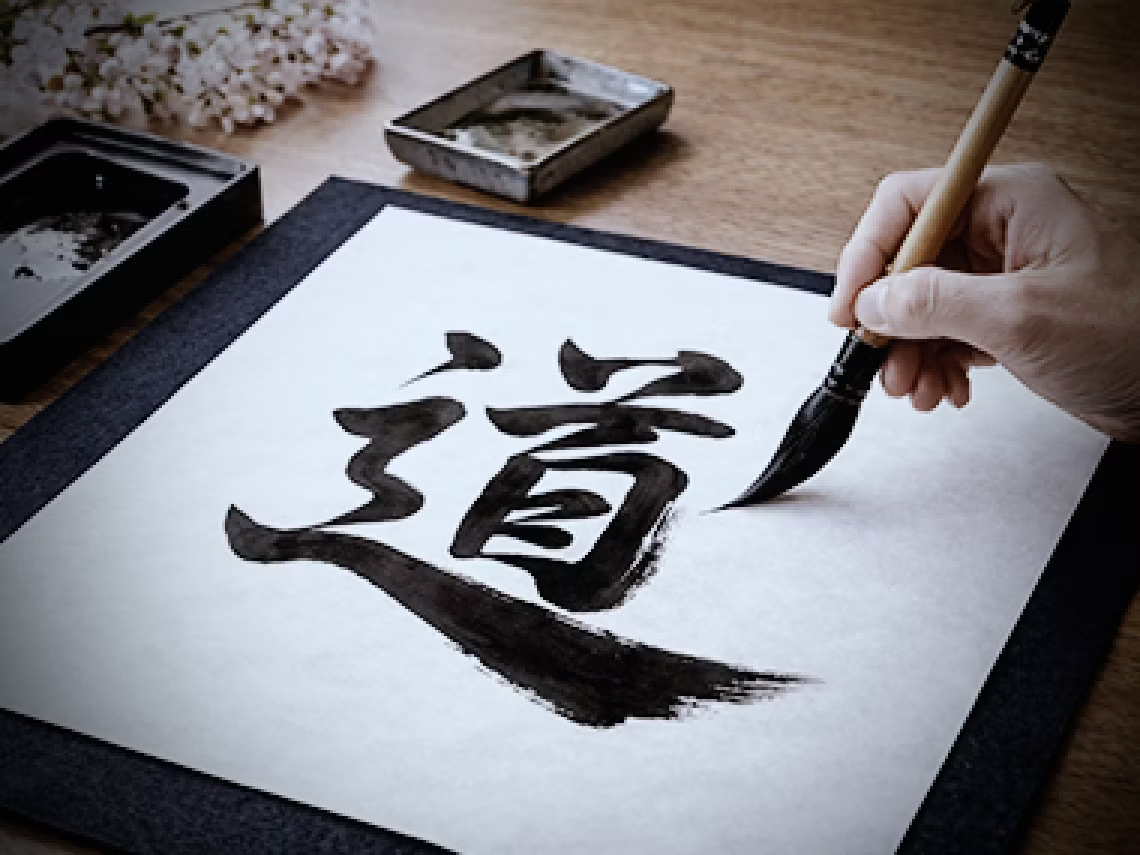
Shodo (Japanese Calligraphy)
The art of expressing oneself through the beauty of written characters
Calligraphy is much more than the mere act of writing. It is about beautifying life and enriching the spirit through the aesthetic expression of the written character.
Since ancient times, calligraphy has long been regarded as a method for self-cultivation.
From childhood, Shoguns were instructed not only in Noh chanting and painting but also in calligraphy. Their surviving works, often featuring ancient poems or Confucian wisdom, allow us to glimpse the unique personality and resolve of each ruler.
As the saying goes, “The written character also reveals the person's character”, and individuality can be discerned from each piece of calligraphy. -
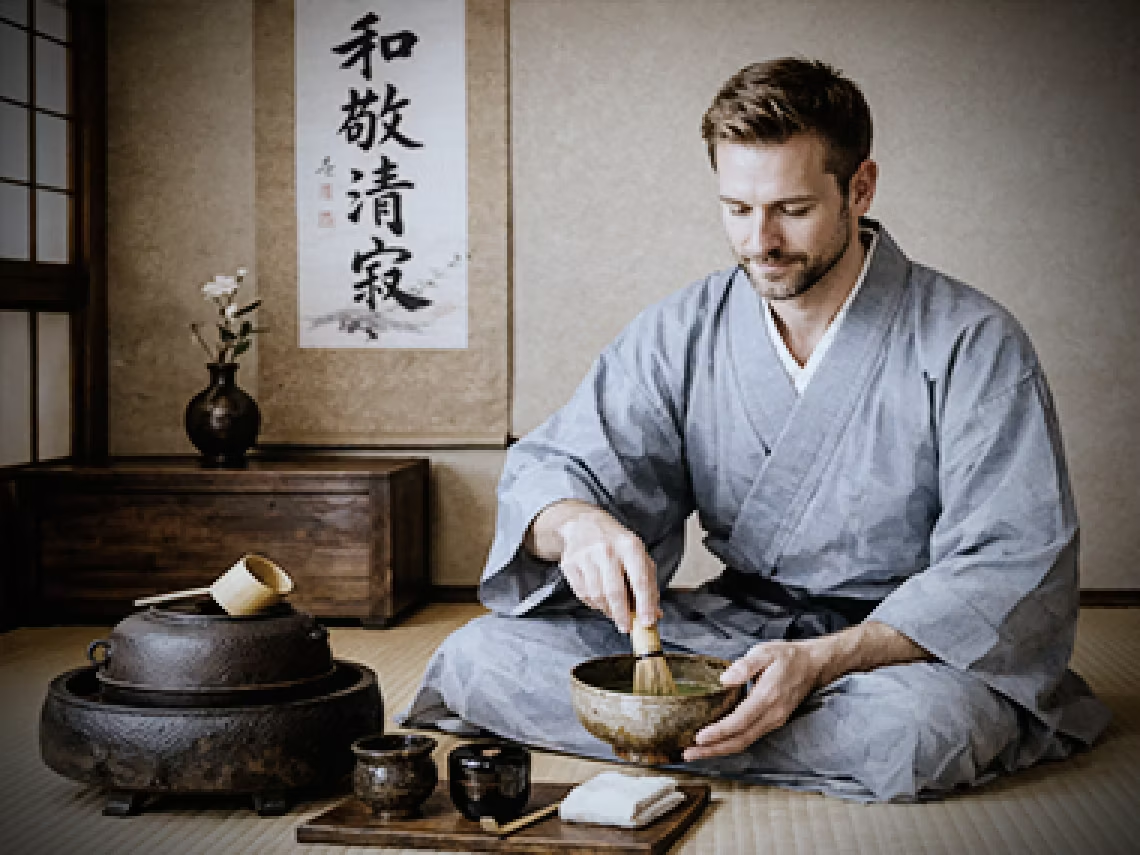
Sado (Tea Ceremony)
the embodiment of Japanese hospitality and the art of concentrating on the “here and now”
The custom of drinking tea is believed to have emerged during the Nara and Heian periods.
By the late Kamakura period, a game called “Toucha” (tea-tasting competition) —where participants had to guess the origin of tea simply based on its preparation, aroma, and taste—became popular first at the imperial court, before spreading to samurai and commoners. However, due to its gambling nature, it was later prohibited by warrior law.
Murata Juko, the tea master of Ashikaga Yoshimasa, the eighth shogun of the Muromachi shogunate, prohibited gambling and drinking at tea gatherings, advocating instead for a practice emphasizing spiritual exchange between host and guest.
The foundation of modern tea ceremony was established by Sen no Rikyu during the Azuchi–Momoyama period. He emphasized simplicity and the spirit of wabi-sabi, rejecting extravagance. He introduced smaller tea rooms (2 to 3 tatami mats), crouching entrances (nijiriguchi), and refined low window designs (shitajimado).
wabi-sabi aesthetics—finding beauty in simplicity and eliminating excess—became fundamental principles of the tea ceremony.
With these principles at its base, the samurai tea ceremony of the Edo period further evolved.
The Shogunate developed its own formal style known as Ryuei Sado. Tea masters served as more than just instructors; they were close confidants of the Shogun, acting as gatekeepers and informants within the castle. Official tea instructors and tea administrators held influential positions within the castle, sometimes affecting political fortunes. -
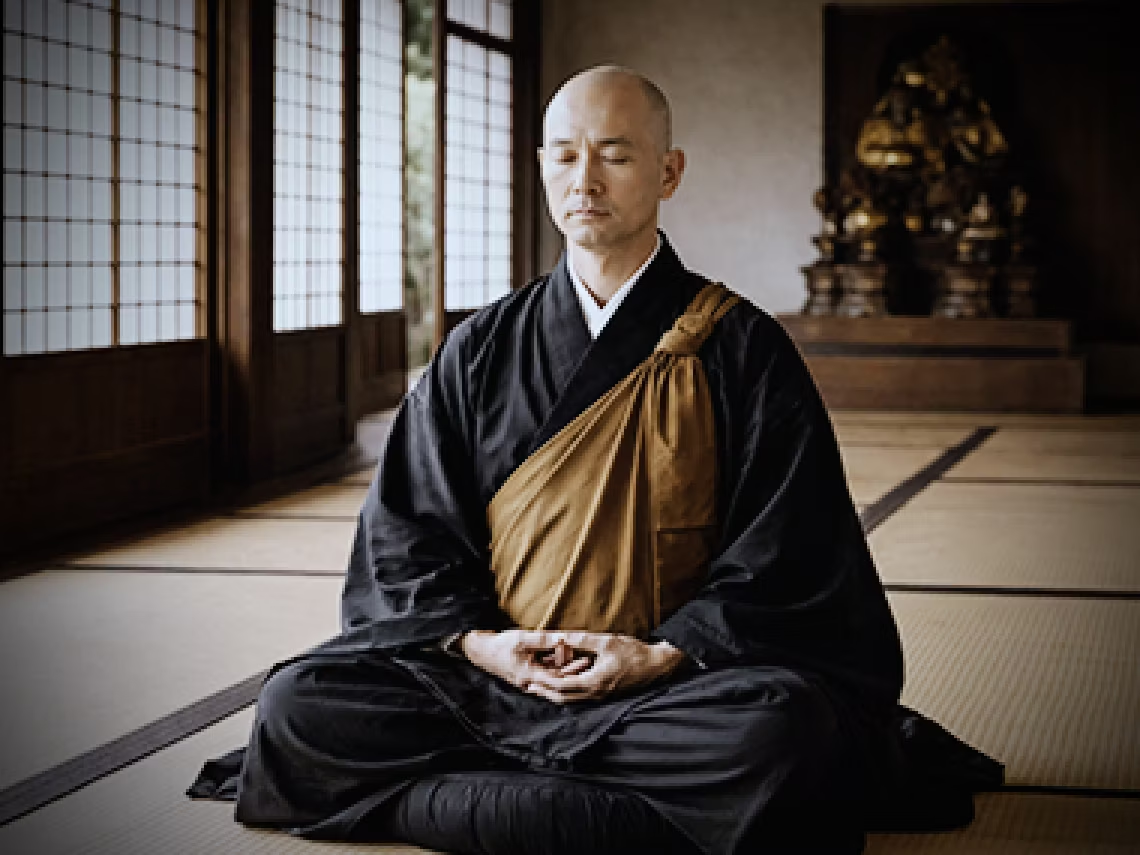
Meditation
the practice of aligning body and mind, aiming towards a state of emptiness (Mu) free of the pursuit of reward or validation
Zen represents a state where the mind has been freed from all the tumult and agitation.
Zen philosophy profoundly influenced Japanese culture (arts, cuisine, medicine) and became a key method of fostering mental and physical cultivation.
Zen was the spiritual backbone of the samurai, and successive shoguns have been known to receive guidance from the high priest of Zen temples time and again.
Tokugawa Ieyasu, drawing from the hardships he had endured during his eventful childhood, deeply valued the teachings of renowned monks, which he employed to solidify the foundation of shogunal government and to stabilize governance.
For the Tokugawa Shoguns, Zen and meditation were not merely matters of faith but practical disciplines to maintain mental composure under the immense pressure of war and constant political strife. -
Dining
The Shogun’s meals — the pinnacle of Japanese gastronomy
The shogun maintained a highly regimented daily routine.
They placed great emphasis on health management, adhering to three meals a day and receiving medical examinations after each meal.
The shogun's meals were of the highest quality, featuring the finest ingredients.
Seasonal ingredients specific to each time of year and region were meticulously selected and incorporated.
Preferences varied by Shogun, leading to subtle differences in court cuisine across eras. -
Sauna
Relaxation and refreshment for holistic health.
Shoguns cherished famous hot springs, and Tokugawa Ieyasu in particular is said to have enjoyed indulging in therapeutic bathing to recover from the stresses of governance.
The residence of the Shogun incorporated steam baths resembling modern saunas. These precursors to the modern sauna lacked bathtubs and instead channeled steam from external boilers — the preferred method of deep relaxation and purification for the ruling class at the time.
Optional Experiences
- ・ Curated Tour of the Castles & Gardens of Japan (exploring ancient shogun and samurai castles)
- ・ Swordsmith Workshop Experience
- ・ Samurai & Ninja Entertainment Experience
- ・Sightseeing Exploration Centered on Nara and Yoshino World Heritage Sites
(consult us for more options)
The Guardians of the Japanese "Way"
-
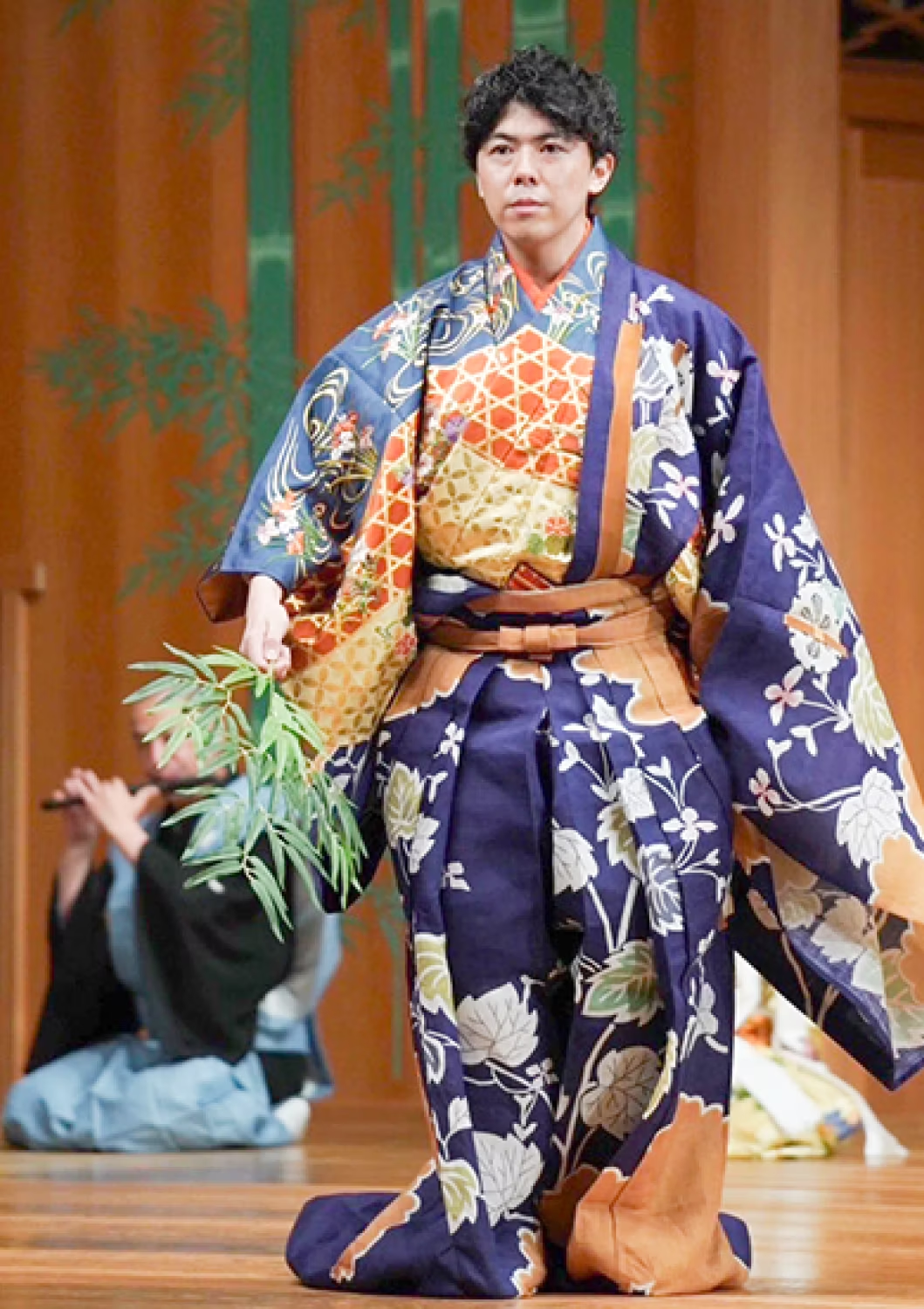
Supervised by Taiichiro Nomura
Profile
Eldest son of the late 8th-generation Nomura Manzo (5th-generation Nomura Mannojo). Studied under the 2nd-generation Nomura Mansai. Debuted in 1993 with Utsubo-zaru.Performed major works including Nasu no Yoichi Monogatari, Sanbaso, Tsuri-gitsune, and Kanaoka.
Supervisor of NEOLD Noh Theatre at NEOLD Private House (Yoshino, Nara). Director of original Noh works including Snow White and musical drama Ota-gaku. Performs nationwide and internationally, conducting workshops and performances abroad.
Author of Introduction to Kyogen by Taichiro Nomura (Benesse Publishing). Member of MUGEN∞Noh. Lecturer at Yomiuri Culture Center Jiyugaoka, Ikebukuro Community College. Part-time lecturer at Aoyama Gakuin University and J. F. Oberlin University. Visiting Professor at Professional University of Information and Management for Innovation. Member of the Japan Noh Association.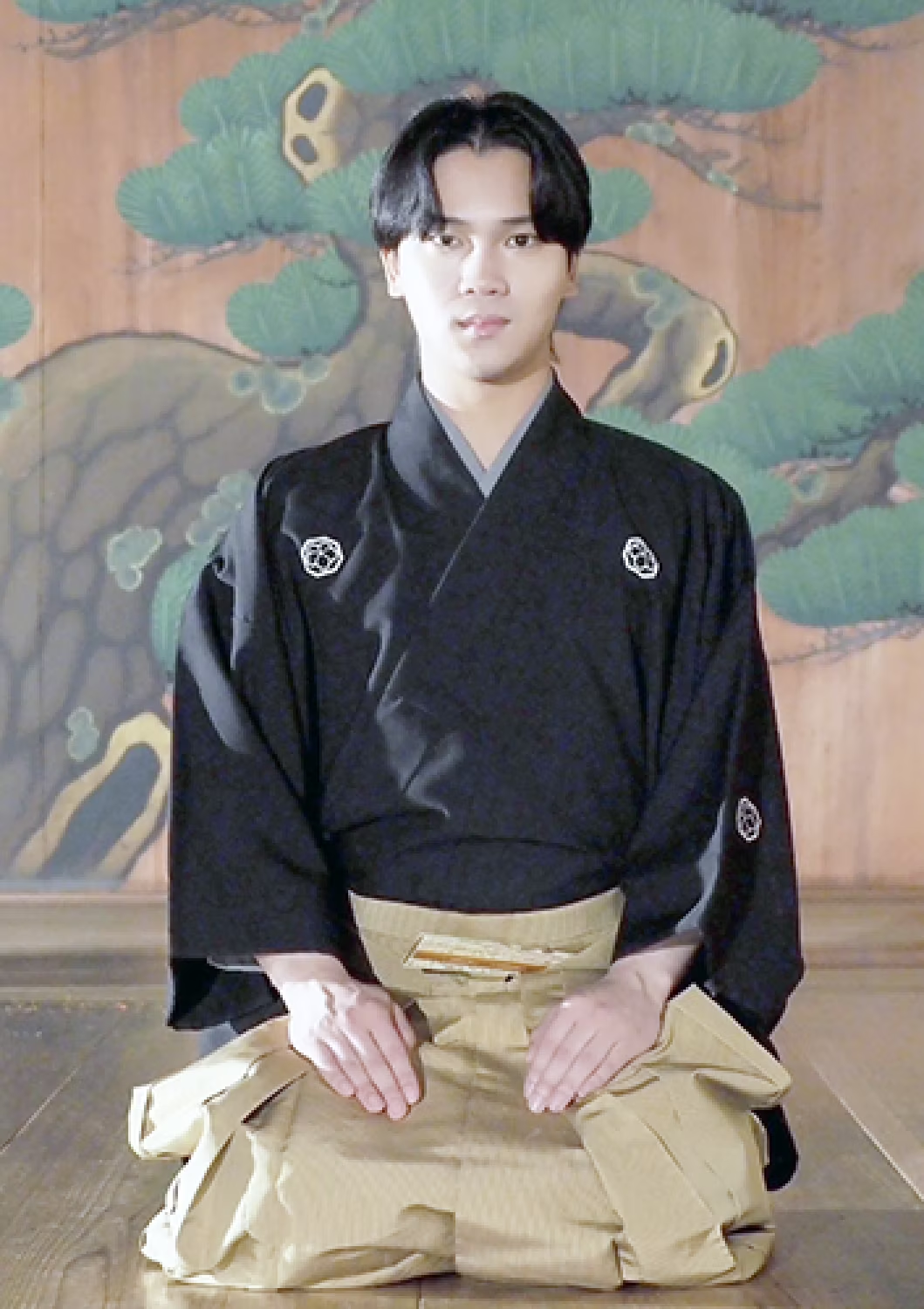
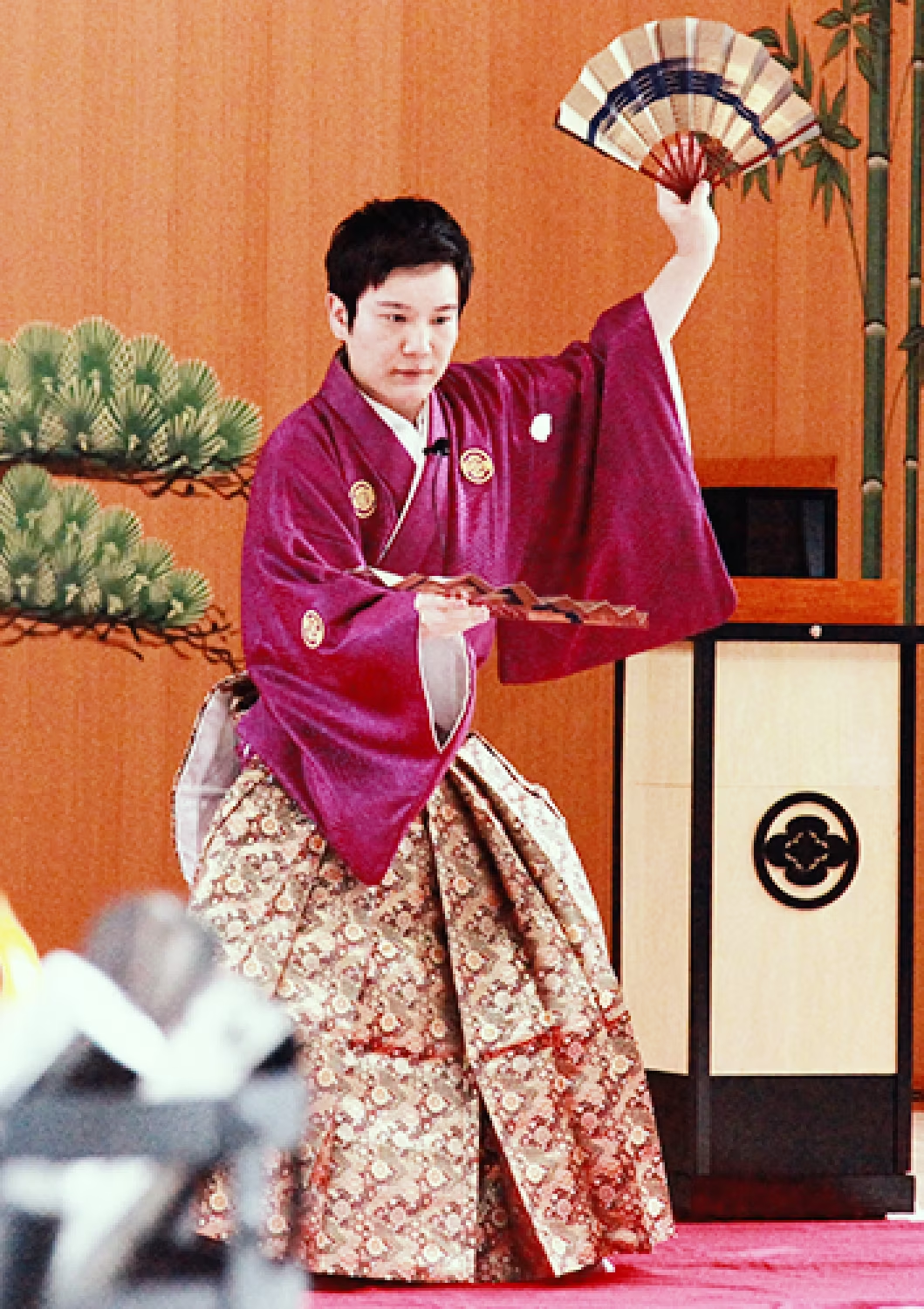
Supervised by Yuichi Otsuki
Profile
Noh Performer, Shite-kata (Lead Actor) of the Kanze School. Born in Osaka in 1997.
He studied under his artistic father, Bunzo Otsuki (a Living National Treasure).- ・ 2000: Made his stage debut in the Shimai (dance) "Oimatsu." In the same year, he performed his first Noh role as a Kokata (child actor) in "Hanagatami."
- ・ 2005: Performed his first Shite (lead role) in "Shunzei Tadanori."
- ・ 2009 & 2011: Performed the milestone "opening" (Hiraku) roles of "Senzai" and the Red Lion in "Shakkyo."
- ・ 2013: Wore a Noh mask for the first time in "Okina: Chichi-no-jo Enmei Kanja." In the same year, he became the artistic adopted son of Bunzo Otsuki and succeeded to Yuichi Otsuki. Since 2015, he has co-hosted the "Bunzo & Yuichi Otsuki Noh Performance Series" with his father.
- ・ 2023: Received the Sakuya Konohana Award.
- ・ 2024: Received the Osaka Cultural Festival Encouragement Award.
- ・ 2025: Performed at Carnegie Hall in New York.
He has appeared in numerous modern Noh adaptations, including "Demon Slayer: Kimetsu no Yaiba" and "Hi izuru Tokoro no Tenshi" (The Emperor of the Land of the Rising Sun). He also expands his reach into other genres, performing in "Ichikawa Ebizo Special Performances" and the stage production "Hatou wo Koete" (Beyond the Surging Waves).
Supervised by Daiki Fujiyama
Profile
Tezuma Performer
Trained under Master Shintaro Fujiyama- ・ 2014: Magic Champion for Asia
- ・ 2015: 5th Place at the World Magic Championship
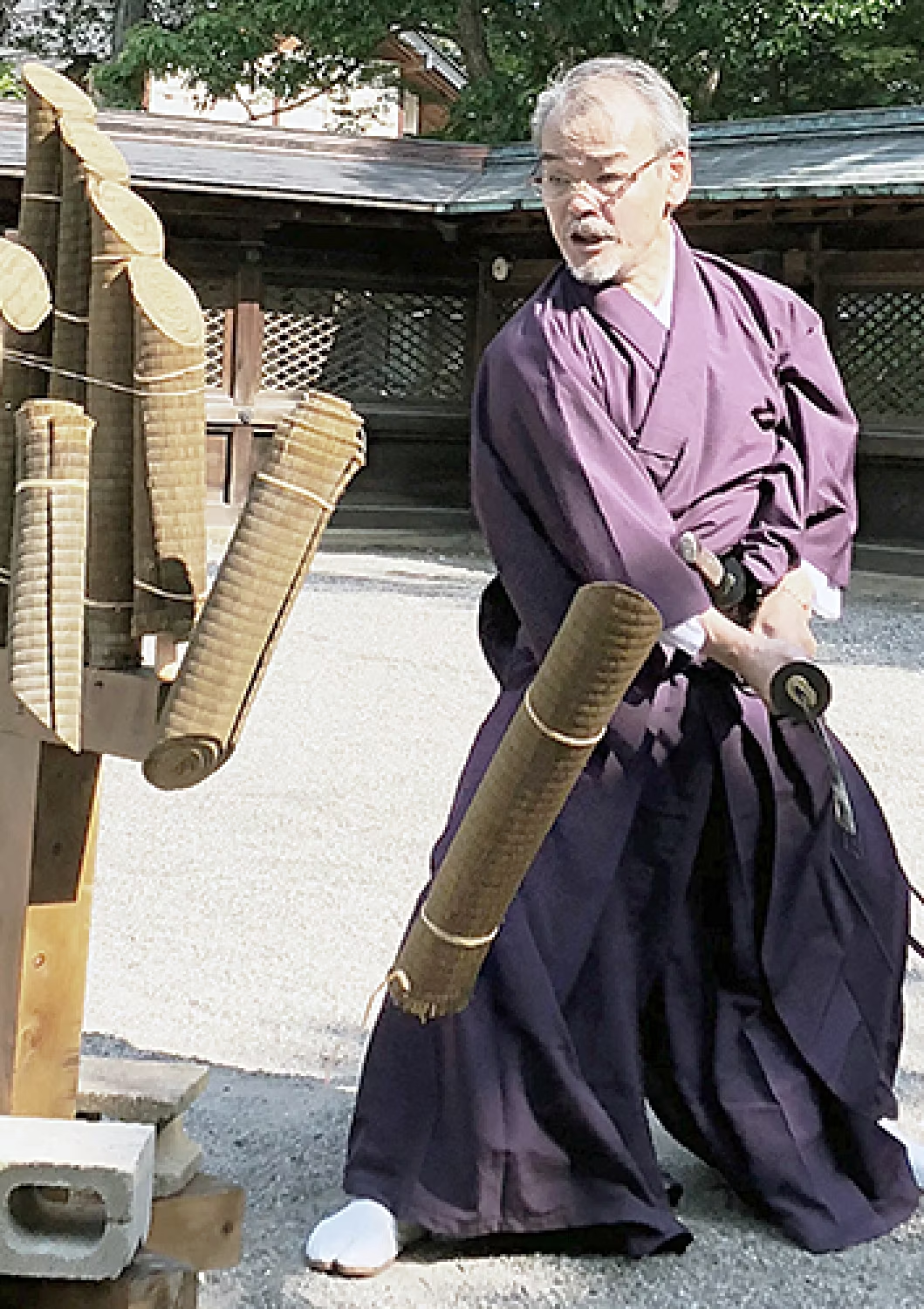
Supervised by Kozaburo Tanaka
Profile
Yushin-ryu Swordsmanship: Renshi (Senior Instructor), 7th Dan
Greater Japan Yushin-ryu Martial Arts Federation (General Incorporated Association): Chairman
Fight Choreographer (Tateshi - specializing in theatrical sword combat)
Action Coordinator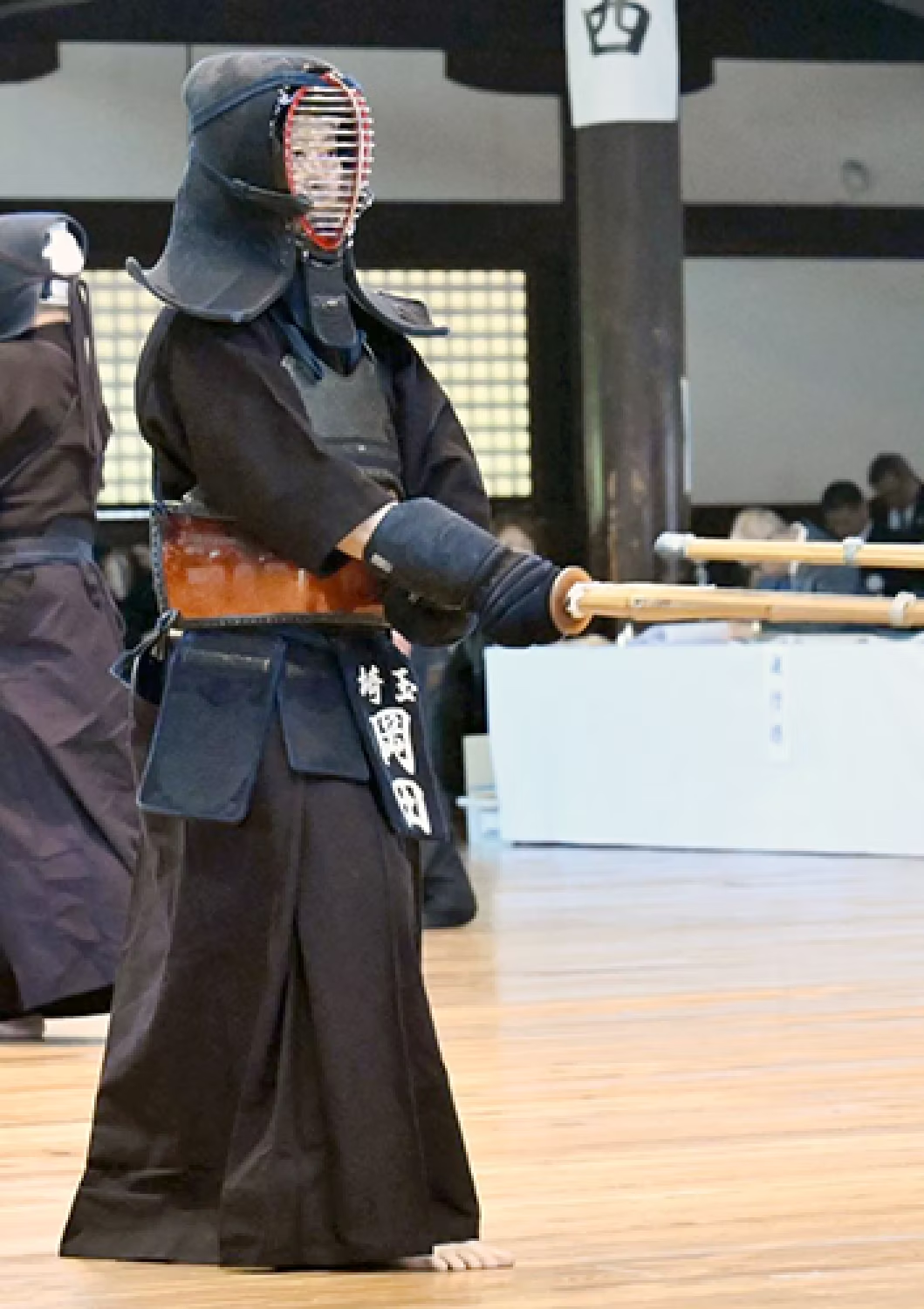
Supervised by Mitsuhiro Okada
Profile
Qualifications: Renshi (Senior Instructor) 7th Dan in Kendo, 3rd Dan in Iaido, Beginner-level Community Sports Instructor.
Roles: Vice President of a local dojo, Auditor of a local Kendo Federation, and Community Club Instructor.
Background: Has been practicing Kendo since the fourth grade of elementary school.
In 2025, he was appointed as the Administrative Manager of the ILC International Lumbago Clinic, where he is dedicated to embodying the clinic's philosophy.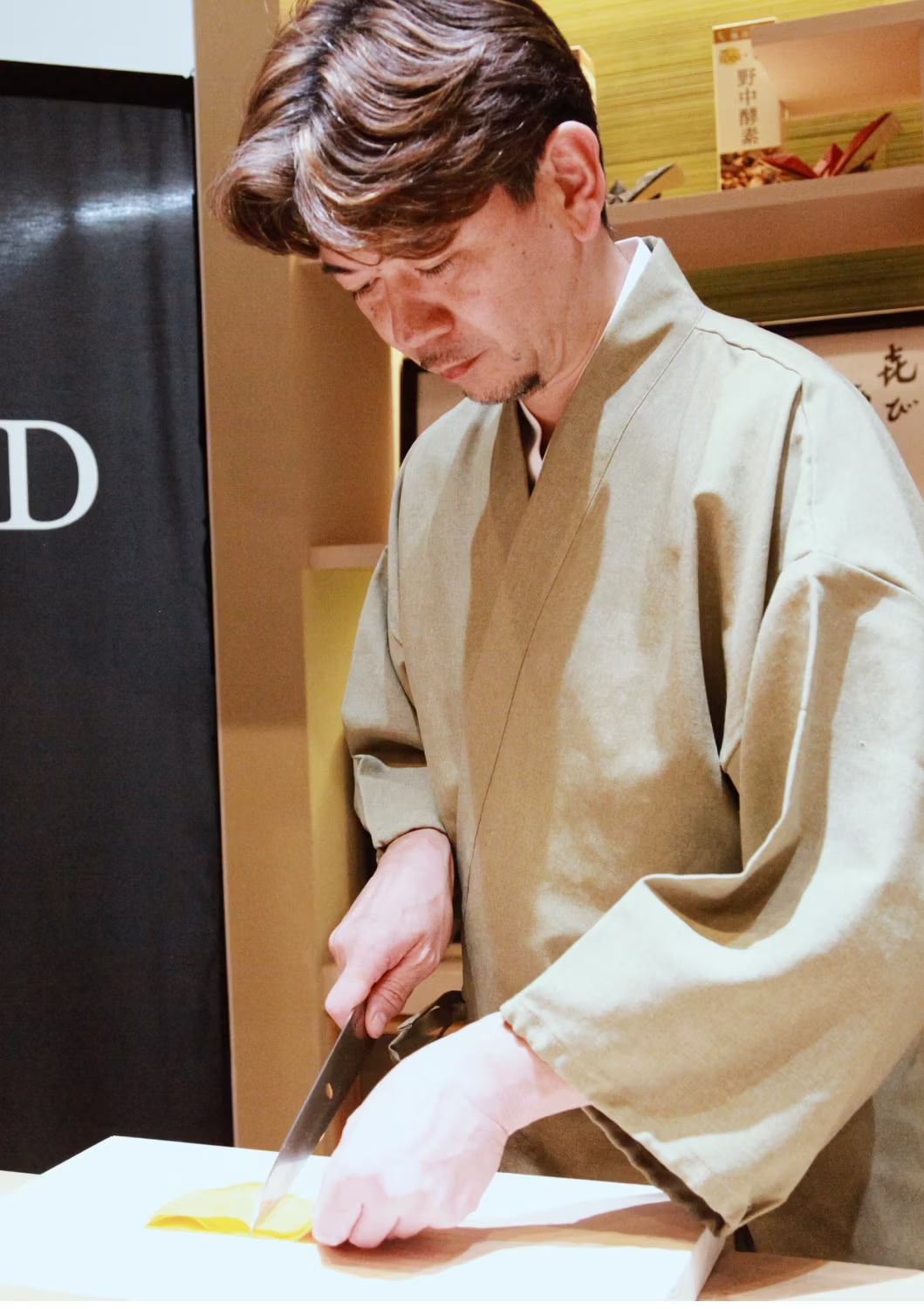
Supervised by Kimihiro Ogino
Profile
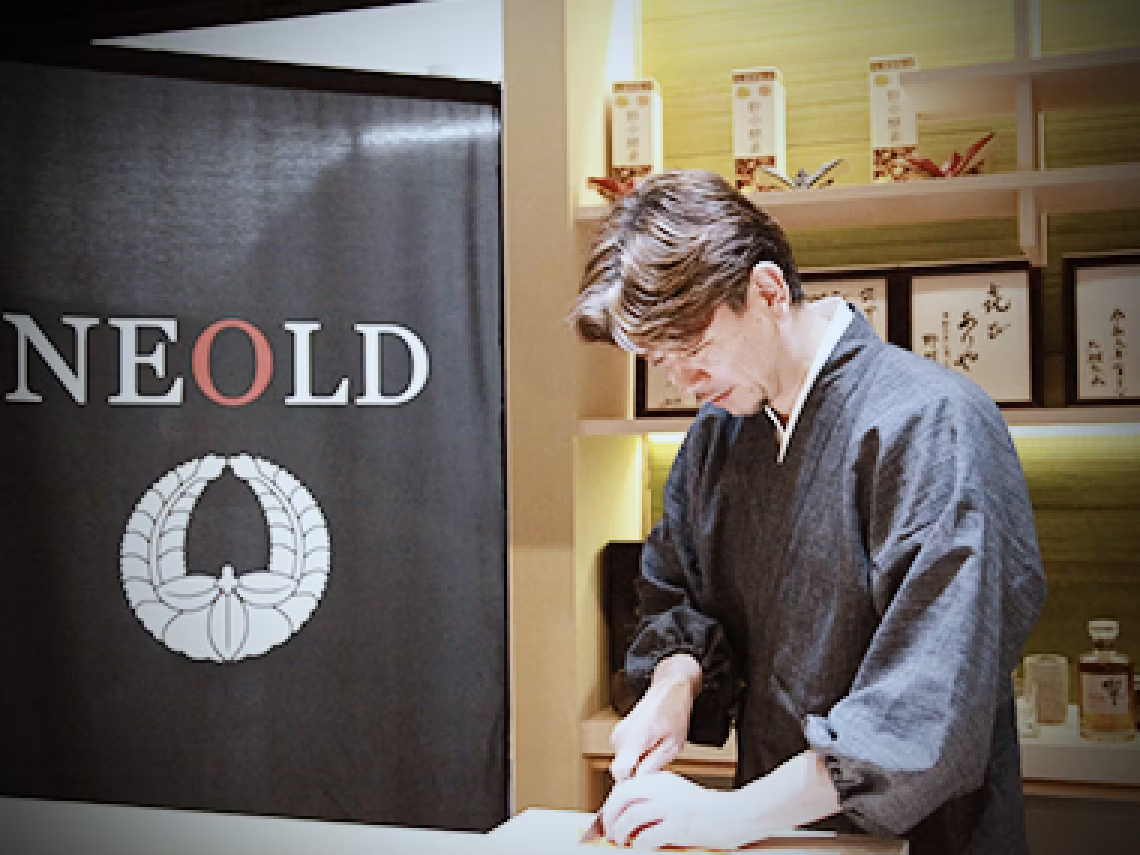
Certified Master Chef of Japanese Cuisine (Specialized Licensed Cook)
Licensed Cook
Licensed Fugu (Blowfish) Specialist1997–Present: Began rigorous training in Japanese cuisine, refining his craft at numerous renowned establishments, including high-end Kaiseki restaurants, luxury hotels, and traditional Japanese inns (Ryokans).
2020: Appointed as General Manager and Executive Chef of NEOLD Private House.By leveraging and seamlessly blending traditional Japanese techniques with Western culinary arts, Chef Ogino achieved a 2nd place national ranking for his innovative Japanese-Western fusion sushi.
Committed to health-conscious dining, Ogino has developed a unique sushi technique that does not require soy sauce. This innovation allows diners to enjoy the pure essence of the ingredients while significantly reducing the high sodium intake typically associated with dipping sushi in soy sauce.
What Is NEOLD
Private House? Your private sanctuary. Completely undisturbed.NEOLD Private House is an "immersive" facility where you can experience Japanese traditional culture at its deepest level.
Once you step onto the grounds, you are transported into a space reminiscent of an Edo-period Shogun’s palace.
Here, you assume the role of the Shogun to master your path.Inquiries
Please submit inquiries via the inquiry form below.
Our staff will contact you shortly. For urgent inquiries, please contact us via phone or WhatsApp / Telegram / WeChat.
Multi-language Support : English, French, Chinese, Russian, Japanese


